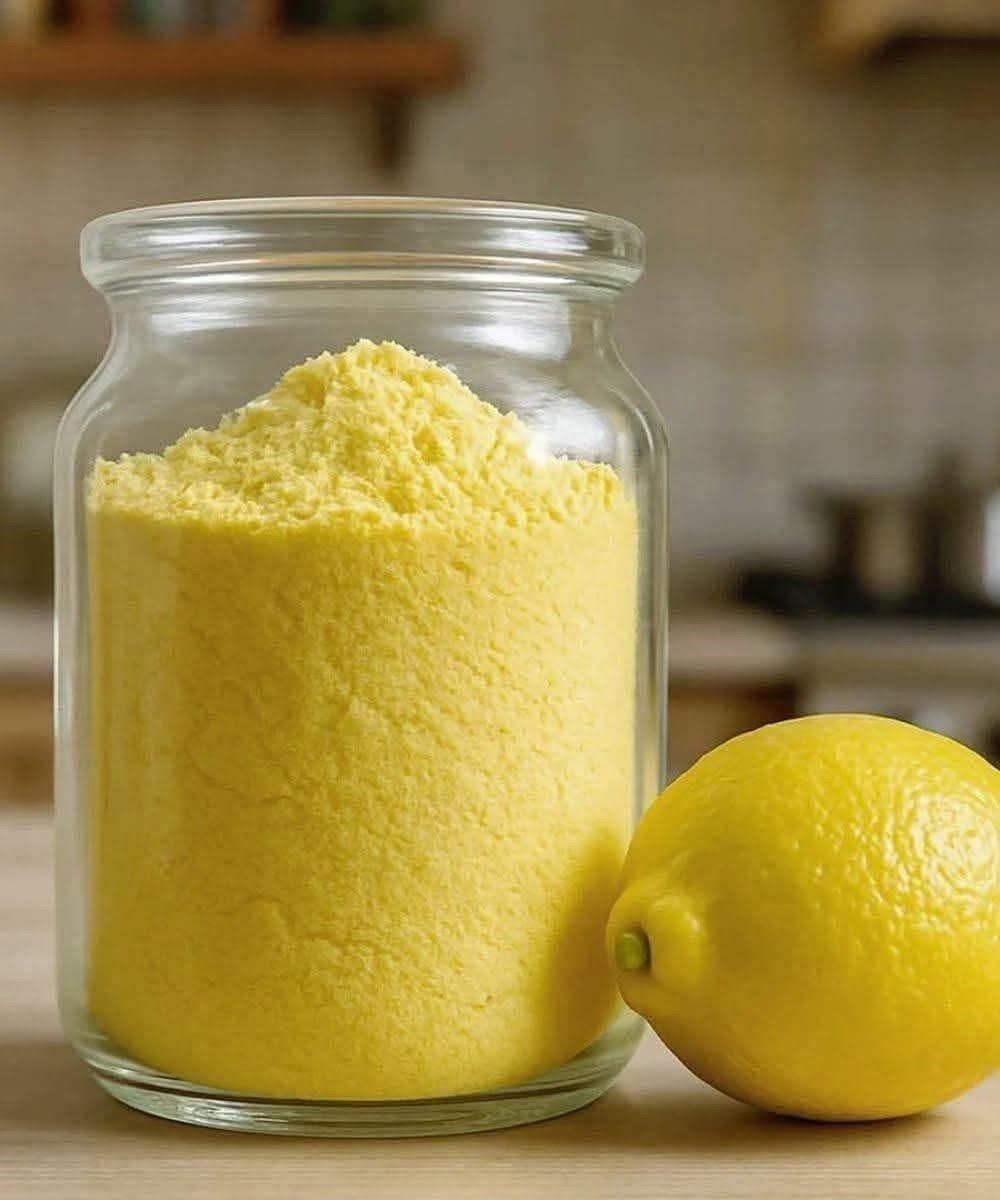
How to Make Lemon Powder (Very Easy)
Introduction
Lemon powder is a vibrant, tangy, and versatile ingredient made from dehydrated lemon peels. It’s a fantastic way to reduce food waste, extend the shelf life of lemons, and add a concentrated citrus flavor to sweet and savory dishes alike. Whether you’re enhancing a dessert, seasoning meat, or crafting homemade beauty products, lemon powder offers a convenient, zesty punch.
Origin and Cultural Significance
Lemons have been cherished for centuries across various cultures, notably in Mediterranean, Middle Eastern, and South Asian cuisines. Preserved lemon peel has long been a staple in Moroccan dishes, while dried citrus is common in Persian cooking. Transforming lemon peel into powder is a modern spin on ancient preservation methods, blending tradition with convenience. It reflects a growing awareness of sustainability and nose-to-tail cooking—using every part of an ingredient.
Ingredients Quantity
To make a small jar of lemon powder:
- 5–6 medium organic lemons (for the peel)
Note: Organic lemons are preferred to avoid pesticide residues since the peel is used.
Optional Additions
While pure lemon peel powder is potent on its own, you can enhance it with:
- A pinch of sea salt – for seasoning blends
- Dried herbs (like thyme or rosemary) – for culinary rubs
- Powdered ginger or turmeric – for teas or health blends
- Sugar or stevia – to make a sweet citrus sprinkle
Tips for Success
- Use organic lemons to avoid wax and chemicals on the peel.
- Avoid the white pith as it is bitter. Use only the zest or thin outer peel.
- Ensure complete dryness to prevent spoilage or mold.
- Cool before grinding to avoid clumping due to residual heat.
- Store in an airtight container away from sunlight for maximum shelf life (up to 1 year).
Instructions
- Wash the lemons thoroughly with a natural fruit cleaner or vinegar solution.
- Peel the lemons using a vegetable peeler or zester, avoiding the white pith.
- Dry the peels:
- Oven method: Place peels on a baking sheet and dry at the lowest temperature (around 170°F / 75°C) for 2–3 hours until completely crisp.
- Dehydrator method: Dry at 95–115°F (35–45°C) for 6–10 hours.
- Air dry: Leave peels in a dry, sunny spot for 2–4 days, flipping occasionally.
- Cool the dried peels completely.
- Grind using a coffee grinder, spice grinder, or high-speed blender until a fine powder forms.
- Sift (optional) to remove coarse bits for an ultra-fine powder.
- Store in an airtight container in a cool, dark place.
Description
Lemon powder is bright yellow with a fine texture and a concentrated citrus aroma. The flavor is intensely lemony—zesty, tangy, and slightly bitter—perfect for use in spice blends, baked goods, teas, marinades, and even cosmetics. A little goes a long way!
Nutritional Information (Per 1 tsp of lemon powder, approx.)
- Calories: 5
- Vitamin C: 8–10% DV
- Fiber: 0.5g
- Fat: 0g
- Sugars: <1g
- Antioxidants & flavonoids: Present in peel (may support immune health and reduce inflammation)
Note: Nutritional values vary based on how much pith is included and drying methods used.
Conclusion
Making lemon powder is a simple, sustainable, and rewarding kitchen project. It minimizes food waste and creates a pantry staple that enhances flavor, aroma, and nutrition in countless recipes.
Recommendation
Always keep a small jar of homemade lemon powder in your spice rack. It’s an excellent substitute when fresh lemons aren’t available and adds a gourmet twist to everyday meals. Consider gifting small jars to friends or including it in homemade spice mixes.
Embracing Healthful Indulgence
Lemon powder is more than just a kitchen hack—it embodies a thoughtful, health-conscious lifestyle. By using the whole fruit, you reduce waste and maximize nutrition. Add it to your smoothies, yogurt, or water for a burst of natural flavor without added sugar. It’s a small step toward a more mindful, sustainable, and flavorful way of living.